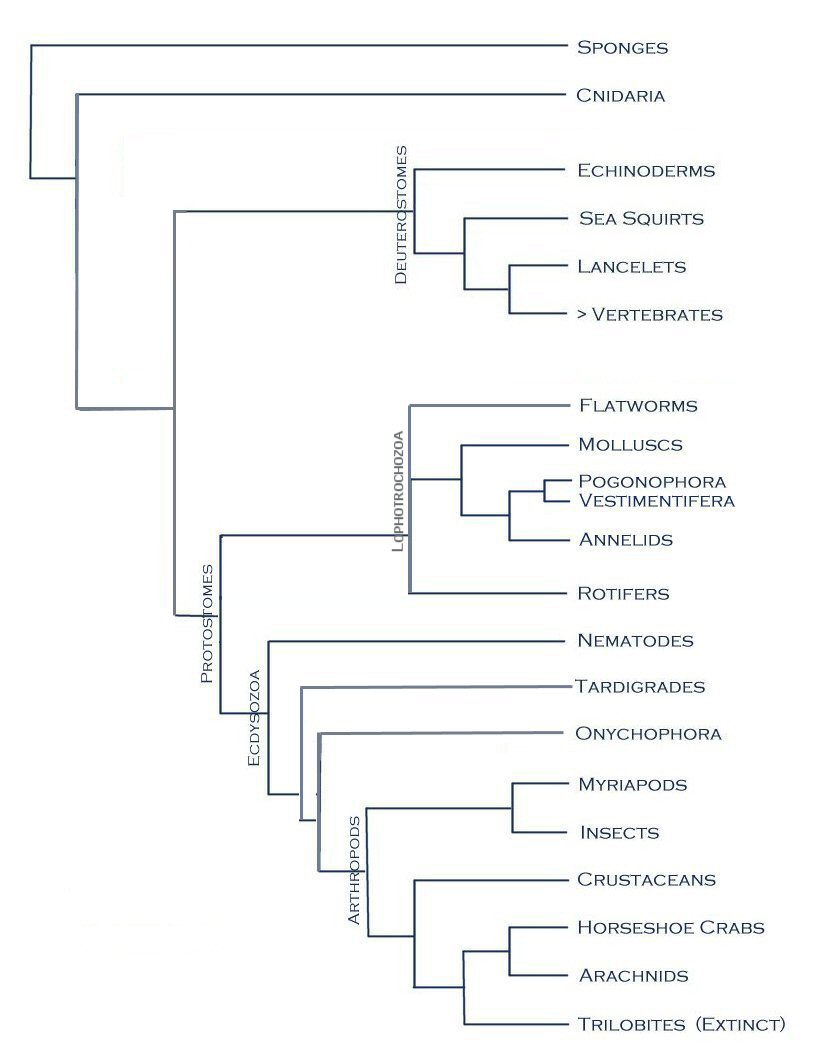
The tree below was redrawn from the information and cladograms of the Phylogeny Wing of the University of California Museum of Paleontology. The animal phyla represented have been selected for familiarity and to provide context for phyla often exhibited in aquaria and that might be seen at the James R. Record Aquarium of the Fort Worth Zoo. My selection of which "minor phyla" to include both on the tree and in the list below is frankly idiosyncratic. Common names have been used to identify each of the phyla when one was available. Below you will find a listing of the scientific names of each phylum, and examples of its more common members. Links to representative animals for phyla that can be seen at the zoo have been provided, both from the phylum list and from the tree.
Contrary to my usual practice at WhoZoo, I have also included links from the list to discussions of less familiar phyla at other web sites; these are marked with an asterisk(*). Sources for information on these animals are included in the source list below the tree. Only animals that can be seen at the James R. Record Aquarium have been linked from the tree itself. Note: with the closing of the Aquarium, these animals can no longer be seen at the Fort Worth Zoo.
- Phylum Porifera: the *sponges
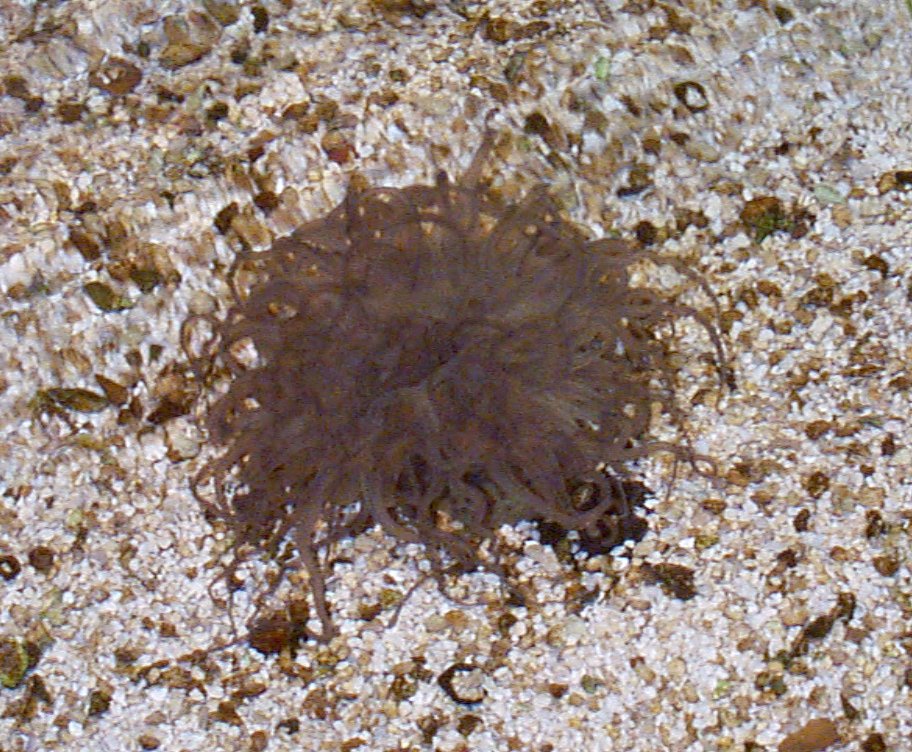
- Phylum Cnidaria: anemones, jellyfish and corals
- Phylum Platyhelminthes: the flatworms
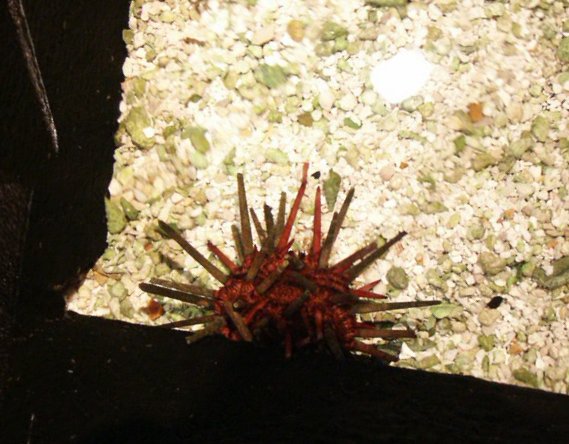
- Phylum Echinodermata: sea stars, sea urchins, sand dollars, sea lilies
- Phylum Chordata, subphylum Urochordata: the *sea squirts
- Phylum Chordata, subphylum Cephalochordata: the *lancelets
- Phylum Chordata, subphylum Vertebrata: the vertebrates
- Phylum Mollusca: bivalves, snails, *octopuses and squid
- Phylum Pogonophora: this relatively unfamiliar phylum has been included because the Vestimentiferan worms -- the giant red tube-building worms that colonize the waters around *deep sea volcanic vents -- are closely related to them.
- Phylum Annelida: earthworms and fanworms
- Phylum Rotifera: the *rotifers
- Phylum Nematoda: the *nematodes
- Phylum Onychophora: the *velvet worms
- Phylum Tardigrada: the *water bears -- charming, stumpy-legged segmented animals
- Phylum Arthropoda: because the ranks
of the major taxa within this large and successful group are variously defined,
I have included the groups without a rank assignment below:
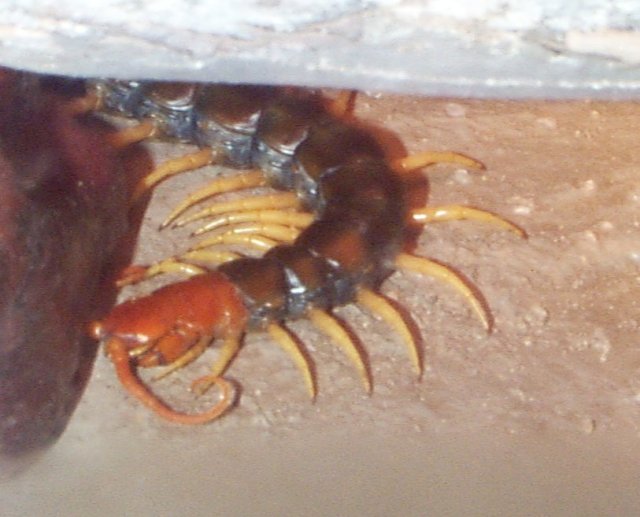
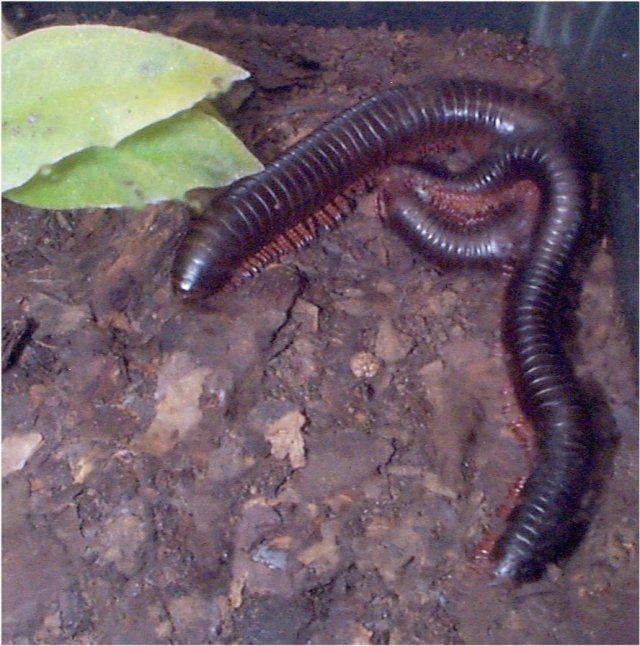
- Myriapods: centipedes and millipedes
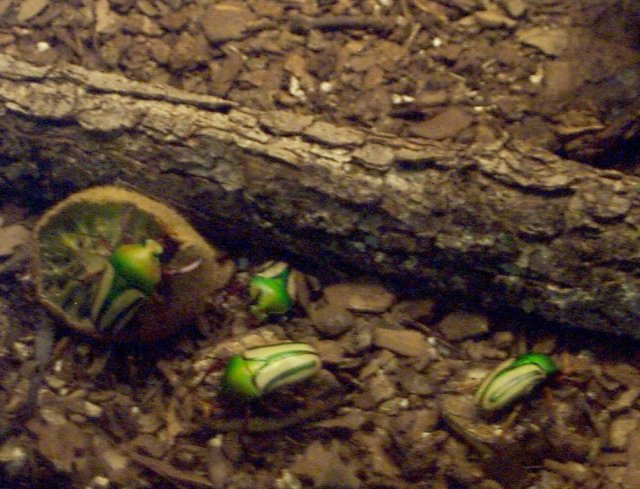
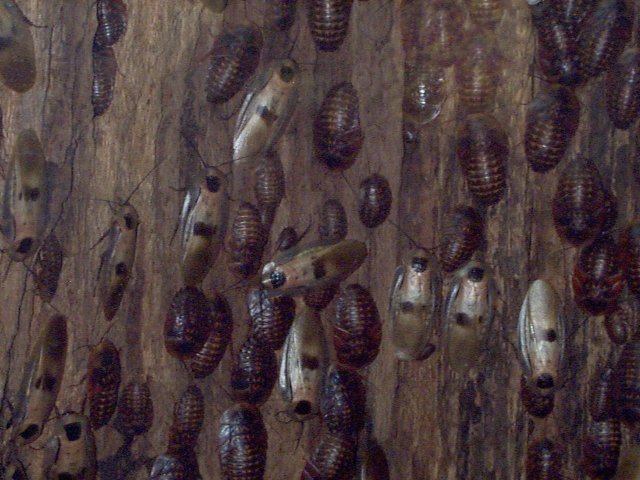
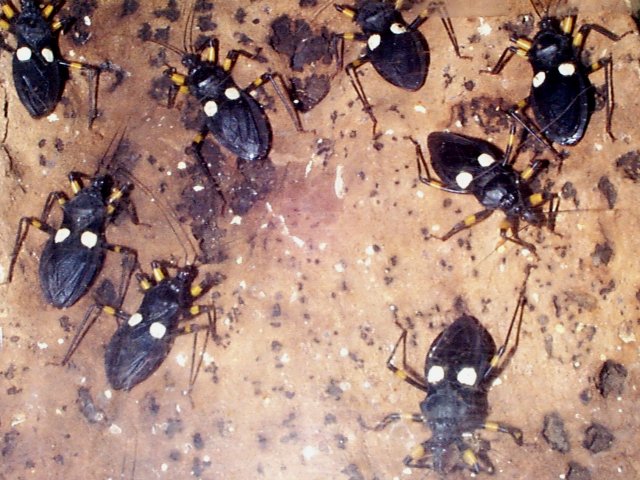
- Insects: beetles, flies, butterflies, roaches, ants and bees, bugs, grasshoppers, phasmids (AKA stick insects)and other insects.
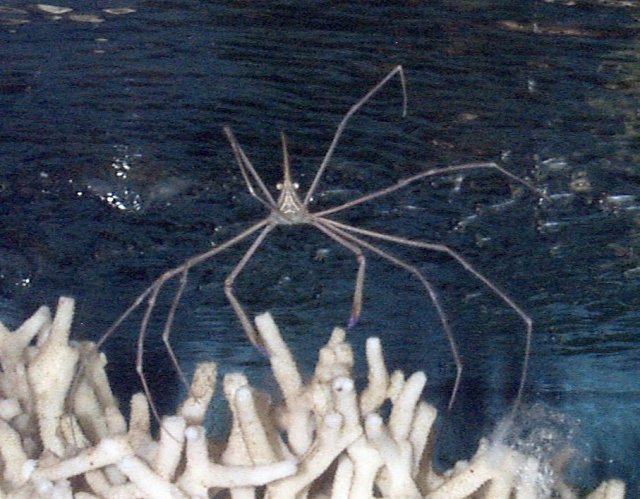
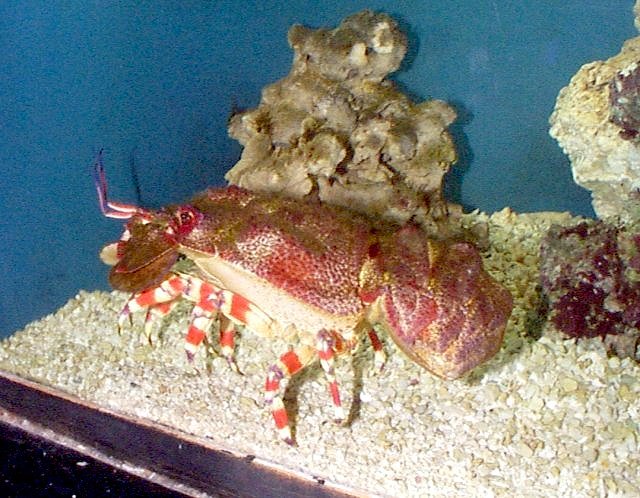
- Crustaceans: crabs, shrimp and lobsters, and the giant isopods that can be seen in the James R. Record Aquarium.
- Merostomata: the horseshoe crabs
- Arachnida: spiders, scorpions, ticks and mites.
- Trilobita: the *trilobites -- extinct arthropods commonly found as fossils.